Automotive
Connector & Cable Special Topics
Consumer
Datacom/Telecom
Industrial
Materials
Medical
Military/Aerospace
Sensors/Antennas
Transportation Connectors
Wire & Cable Assemblies
Technology Trends
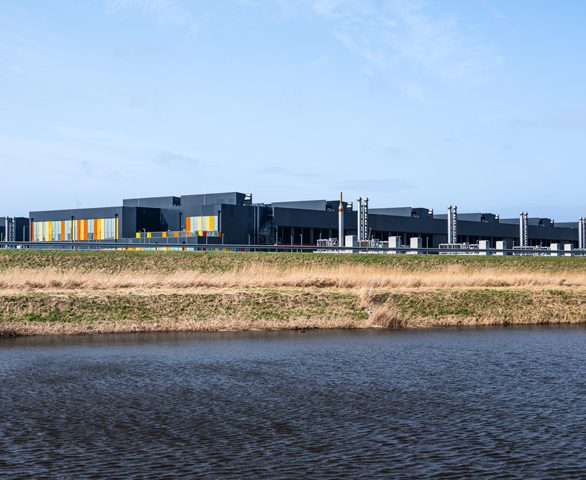
Thermal Management Strategies with Liquid Cooling Connectors
As circuits run faster and hotter, keeping components cool becomes a more urgent challenge. Liquid cooling systems are an important strategy to help cool down data centers, industrial equipment, electric vehicles, and other high-speed, high-power applications. Thermal management is one of the most pressing challenges in today’s high-speed electronics systems. As transistors per chip continue to double, data speeds increase, and equipment sizes shrink…

Get the Latest News
Technical Expertise
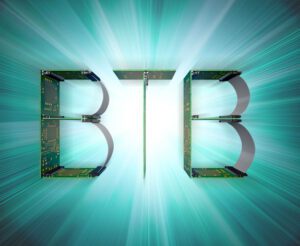
Board-to-Board Connectors in Harsh Environments
As reliable interfaces between PCBs, board-to-board connectors increasingly perform in harsh environments, where they fulfill mechanical functions as well as transmit signal and power connectivity. That makes it crucial to specify the right component for the…

Camera Connectivity for ADAS Systems and Autonomous Driving
The use of cameras in automobiles is booming. To enable these systems, vehicle manufacturers and suppliers need optics with reliable and fast data connectivity, while keeping costs low and quality high. Modular solutions are the answer.…

Make Way for SPE: A New Standard for Industrial IoT
The standardization of single-pair Ethernet removes the confusing array of connector types. The new universal connector standard significantly simplifies industrial IoT networking for digital AI services and smart factories. By Thomas Keller, Product Manager Industries, Rosenberger Single-pair Ethernet (SPE) has proven itself in…

The Key to Preventing Connectivity Failures in Harsh-Environment Vehicles
There's a frustrating pattern familiar for anyone who has operated or worked on commercial trucks, agricultural machinery, or construction equipment: a fault appears, the vehicle goes into the shop, technicians run diagnostics and find nothing. The…


Product Roundup
Connectors for Robotics Product Roundup
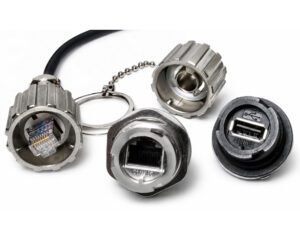
This week’s Product Roundup highlights connectors for robotics from leading connector manufacturers and suppliers. Connectors for Robotics Lutronic Series cordsets from Lumberg are actuator/sensor cabling solutions with M8 and M12 connectors for automation. The M8 series…
Aviation Connectors Product Roundup
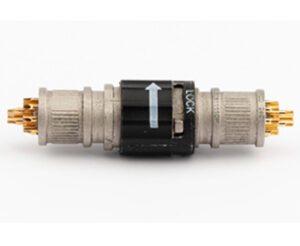
This week’s Product Roundup highlights aviation connectors from leading connector manufacturers and suppliers. Aviation connectors AirBorn SInergy modular high-speed connectors from Molex now offer heavy-duty, high-power contacts that support up to 25.0 A power delivery within…
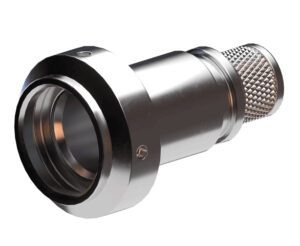
Cable Accessories and Tools Product Roundup
This week’s Product Roundup highlights cable accessories and tools from leading connector manufacturers and suppliers. Cable accessories and tools SV Microwave’s Secure-Locking Tools provide consistent handling and controlled operation, making installing the small interface of SMPS…
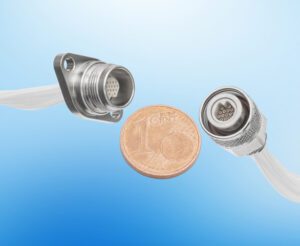
Connectors for Soldier Systems Product Roundup
This week’s Product Roundup highlights connectors for soldier systems from leading connector manufacturers and suppliers. Connectors for Soldier Systems Kilo 360 Warrior Series from Omnetics encapsulates the essence of durability, precision, and reliability. Every aspect, from…
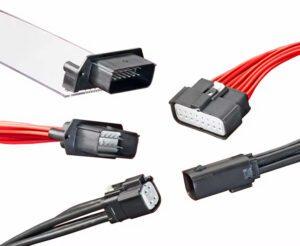
IP-Rated Interconnects Product Roundup
This week’s Product Roundup highlights IP-rated Interconnects from leading connector manufacturers and suppliers. IP-Rated Interconnects PRECI-DIP’s IP-rated interconnects are custom-designed sealed connectors engineered for reliable performance in environments exposed to moisture, dust, and harsh conditions. Leveraging full…
Industry Facts & Figures
Learn More About These Preferred Suppliers







Meet the Connector
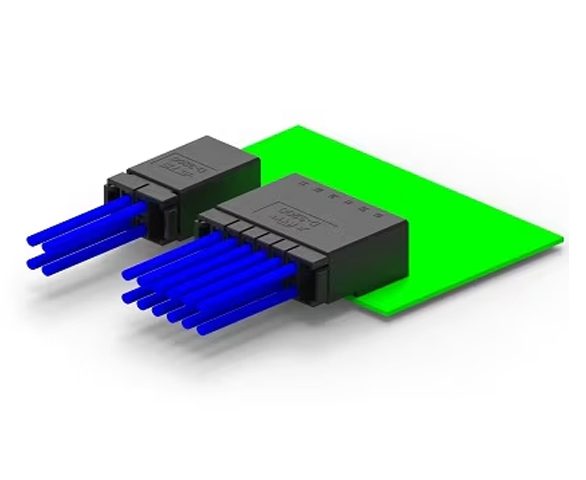
Meet the Connector
What is an FMLB Connector?
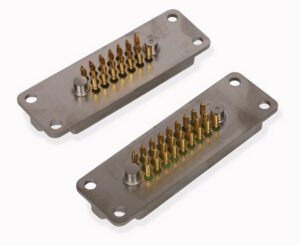
A first mate-last break (FMLB) connector is an electrical connector engineered so the ground contact connects before any other pins when mating and disconnects after all other pins when unmating. According to Mill-Max, this ensures that the ground path is established before any other power or signal connections…
Connection Basics




New Technologies



How to Specify

